Detect Cancer Early. Treat Smarter. Live Longer.
DCAN BIOSCIENCES
About Us
DCan Biosciences is a precision medicine company developing next-generation AI-enabled liquid biopsy diagnostics for cancer screening, diagnosis, monitoring, and therapeutic targeting.
Co-founded by Dr. Massimo Cristofanilli, MD—a recognized pioneer of the liquid biopsy field who contributed to the first FDA-cleared CTC platform—DCan is addressing a critical market gap: the lack of an integrated, clinically deployable workflow for circulating tumor cell (CTC) testing. DCan’s platform delivers:
CTCs as actionable clinical decision tools, not just prognostic markers.
A scalable clinical service, differentiated from tool-heavy technologies.
End-to-end workflow, from standardized collection to AI-driven interpretation.
Clear, physician-friendly reports designed for real-world clinical use.
By integrating technology, clinical workflow, and interpretation, DCan will generate the largest and most clinically annotated CTC datasets, enabling continuous advancement in precision oncology.

“When we first began pioneering liquid biopsy, we had a vision that only now is coming to realization. The ability to understand cancer in real time in every person. Today, the use of liquid biopsy is reshaping care-allowing us to detect cancer earlier, guide treatment with precision and follow patients with a level of clarity that was once impossible.”
Massimo Cristofanilli, MD
Co-Founder & Clinical Advisor
OUR TECHNOLOGY
Overcoming Barriers in Cancer Screening, Diagnosis, and Monitoring.
Longitudinal Tracking
Maps tumor evolution across
entire course of treatment.
World's Most Comprehensive CTC Platform
Uncover metastatic drivers & phenotypic shifts.
Exosomal Transcriptomic &
Proteomic Signatures
Revealing microenvironmental crosstalk.
Ultra-Sensitive Genomic Detection
Early resistance and MRD monitoring.
THE TUMOR HETEROGENEITY GAP
Studies comparing mutational profiles from CTCs vs. ctDNA show that each source can contain unique mutations not detected in the other, reinforcing the need to evaluate CTCs in addition to ctDNA to capture a more complete picture of tumor heterogeneity, treatment resistance, and disease progression.
OUR UNIQUE APPROACH
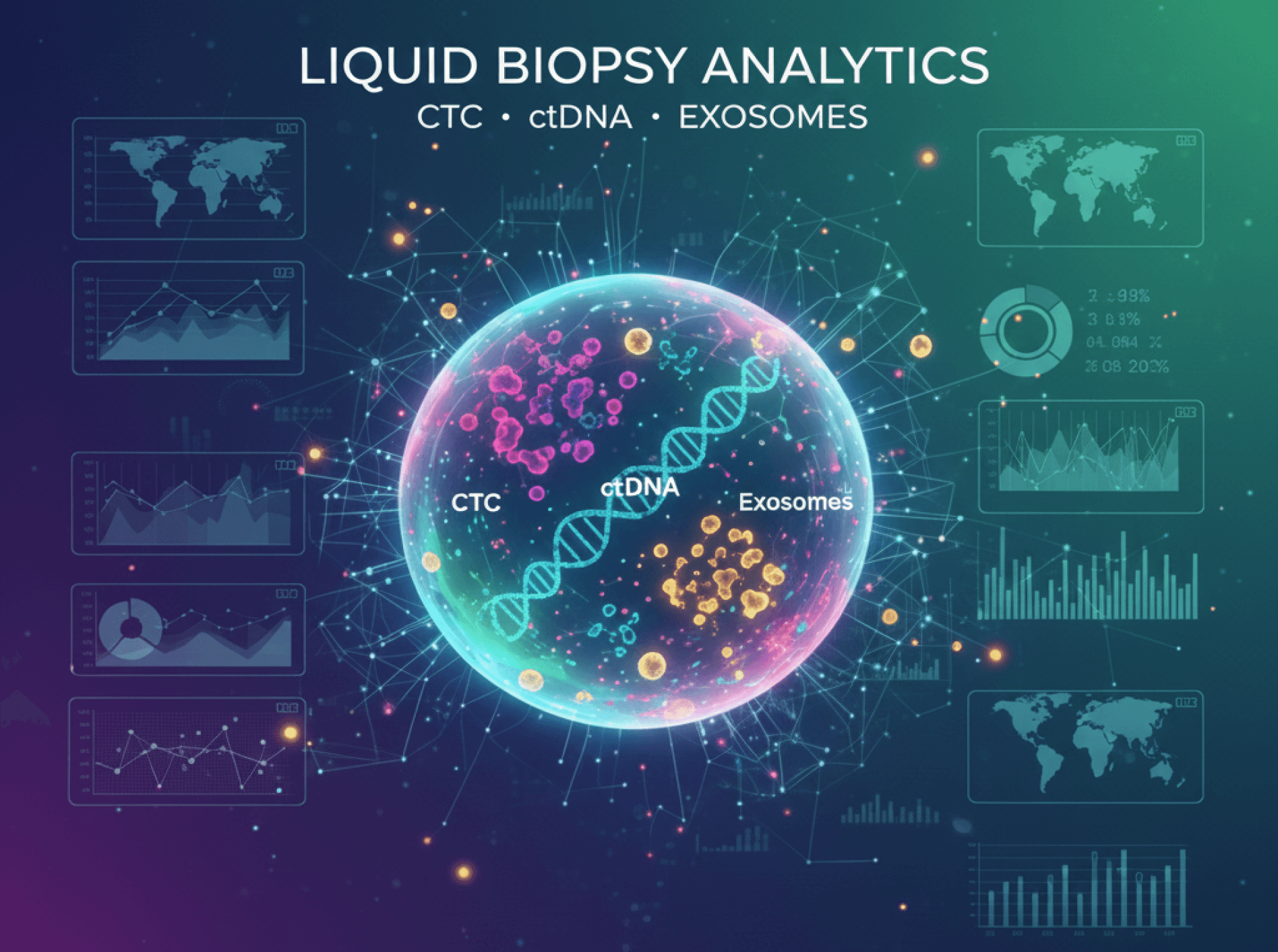
Our platform integrates three complementary liquid biopsy analytes — CTCs, ctDNA, and exosomes — to provide a multidimensional and clinically actionable picture of tumor biology. Rather than relying on a single biomarker, we combine high-resolution genomic profiling, single-cell phenotyping, and exosomal multi-omics to capture the complexity of cancer in real time.
By unifying advanced enrichment technologies, robust bioinformatics, and AI-driven analytics, we deliver insights that go beyond conventional liquid biopsy assays, including single-cell–level precision to uncover metastatic drivers and phenotypic shifts, ultra-sensitive genomic detection for early resistance and MRD monitoring, exosomal transcriptomic and proteomic signatures revealing microenvironmental crosstalk, and longitudinal tracking that maps tumor evolution across the entire course of treatment.
This integrated strategy empowers clinicians with a deeper, more dynamic understanding of each patient’s disease, supporting more confident treatment selection and improved personalized cancer care.
Liquid Biopsy in Clinical Oncology
Real-Time Monitoring of Treatment Response
Liquid biopsy provides rapid insight into how tumors respond to therapy. Changes in ctDNA, CTCs, or exosomal signatures often appear weeks to months before radiologic progression, enabling earlier and more informed treatment adjustments.
Early Detection of Resistance and Relapse
High-sensitivity assays detect emerging resistance mutations and minimal residual disease long before clinical symptoms arise. This supports timely intervention, personalized therapy adjustments, and improved patient outcomes.
Comprehensive Tumor Representation
Unlike a single-site tissue biopsy, liquid biopsy captures material shed from multiple tumor sites, offering a more integrated view of tumor heterogeneity, enhancing diagnostic accuracy and helps guide targeted and immunotherapy strategies.
Minimally Invasive and Repeatable
A simple blood draw allows safe, frequent sampling without the risks of surgical biopsies. This improves patient comfort, supports continuous disease tracking, and provides actionable molecular insights even when tissue is limited or inaccessible.
Liquid Biopsy Analytes
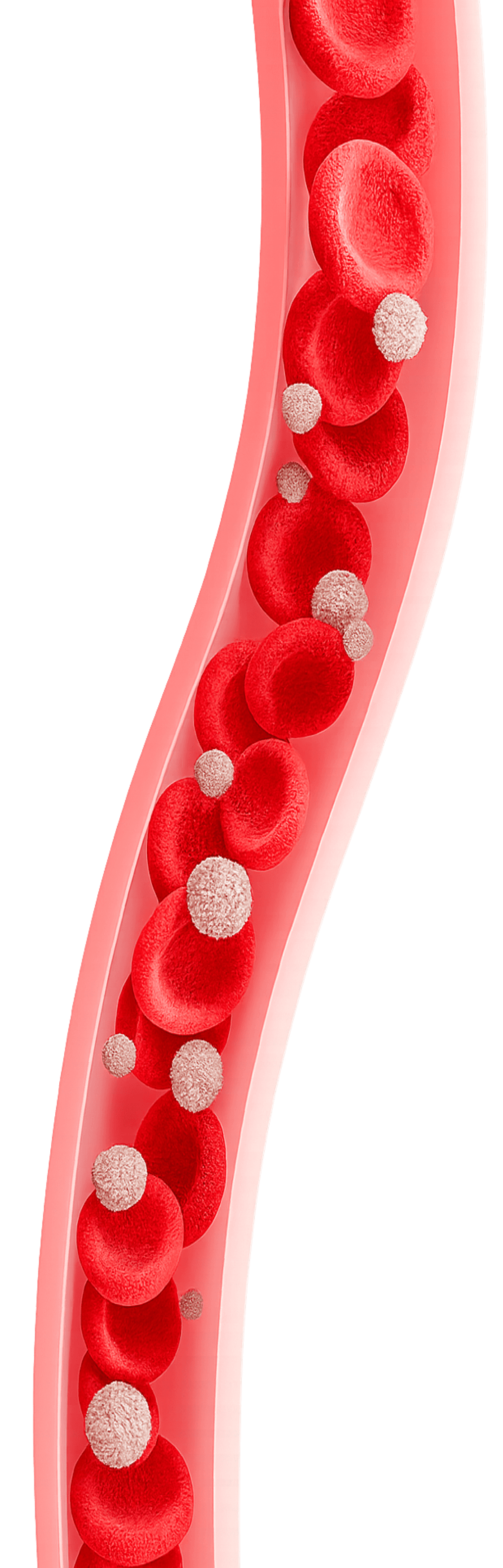
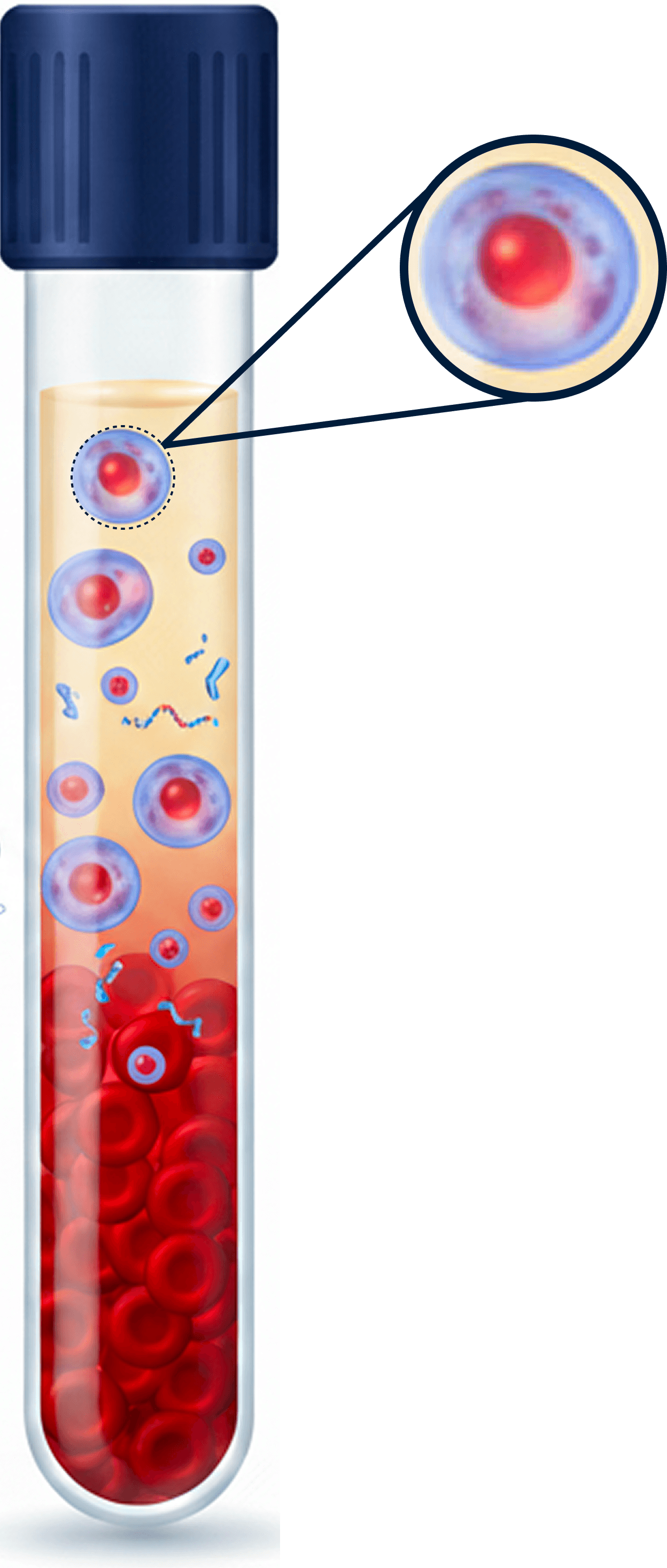
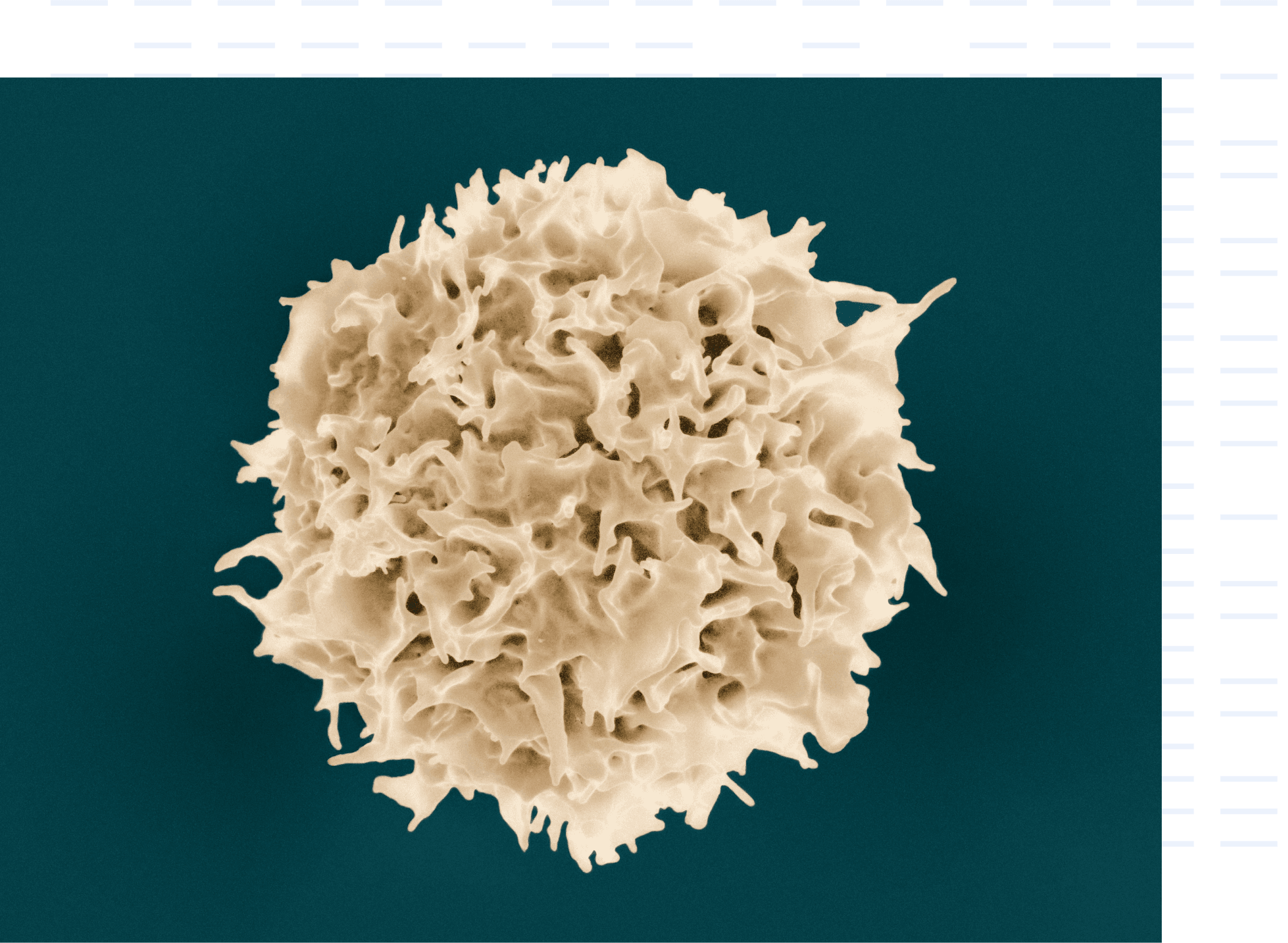
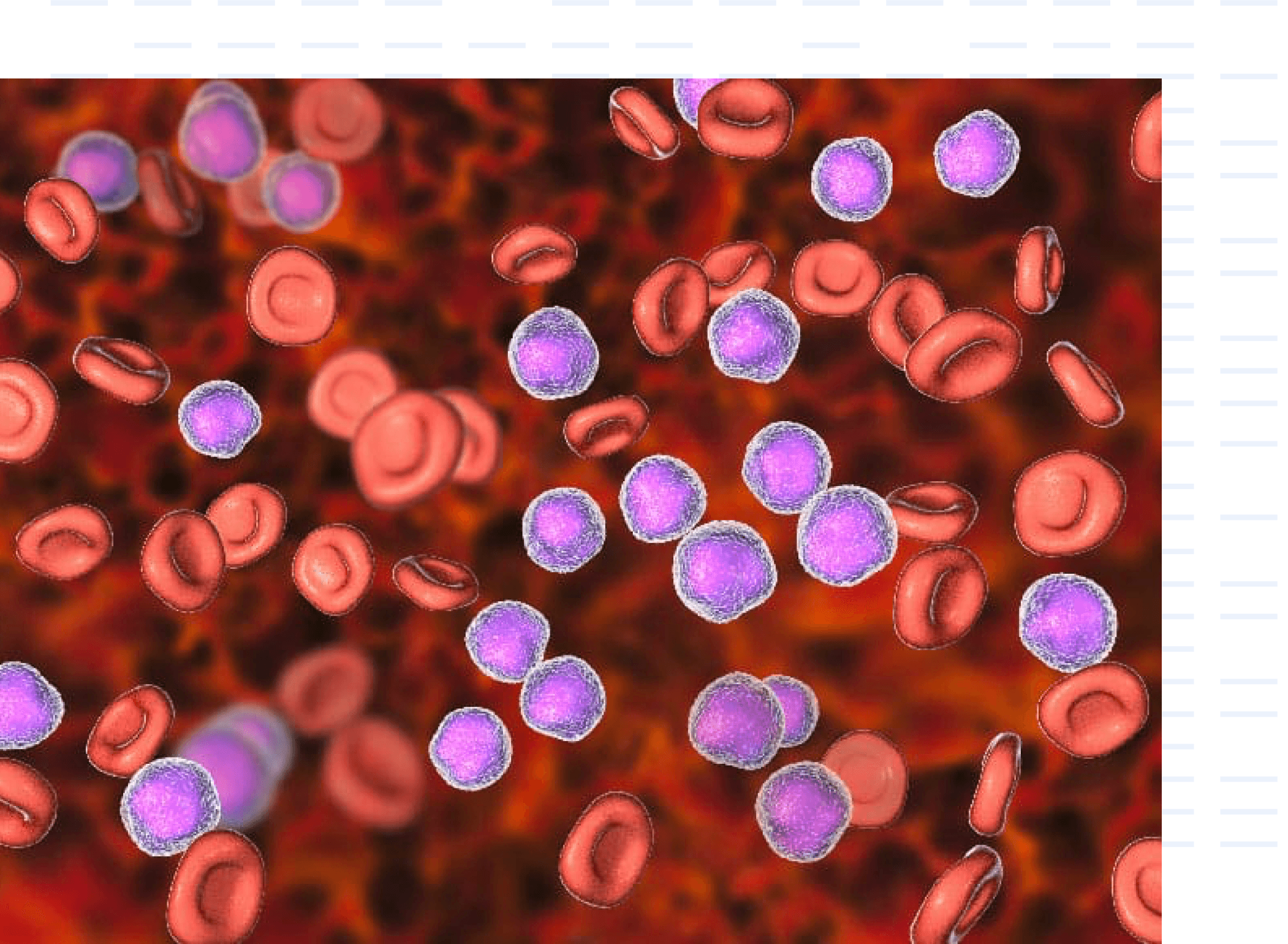
CTCs are rare cancer cells in the bloodstream that reflect tumor heterogeneity and metastatic potential. Our platform isolates and profiles them at single-cell resolution, enabling real-time monitoring of treatment response, early resistance detection, and precision therapy guidance.
CTCs
Exosomes
ctDNA
BENEFITS
Why Liquid Biopsies?
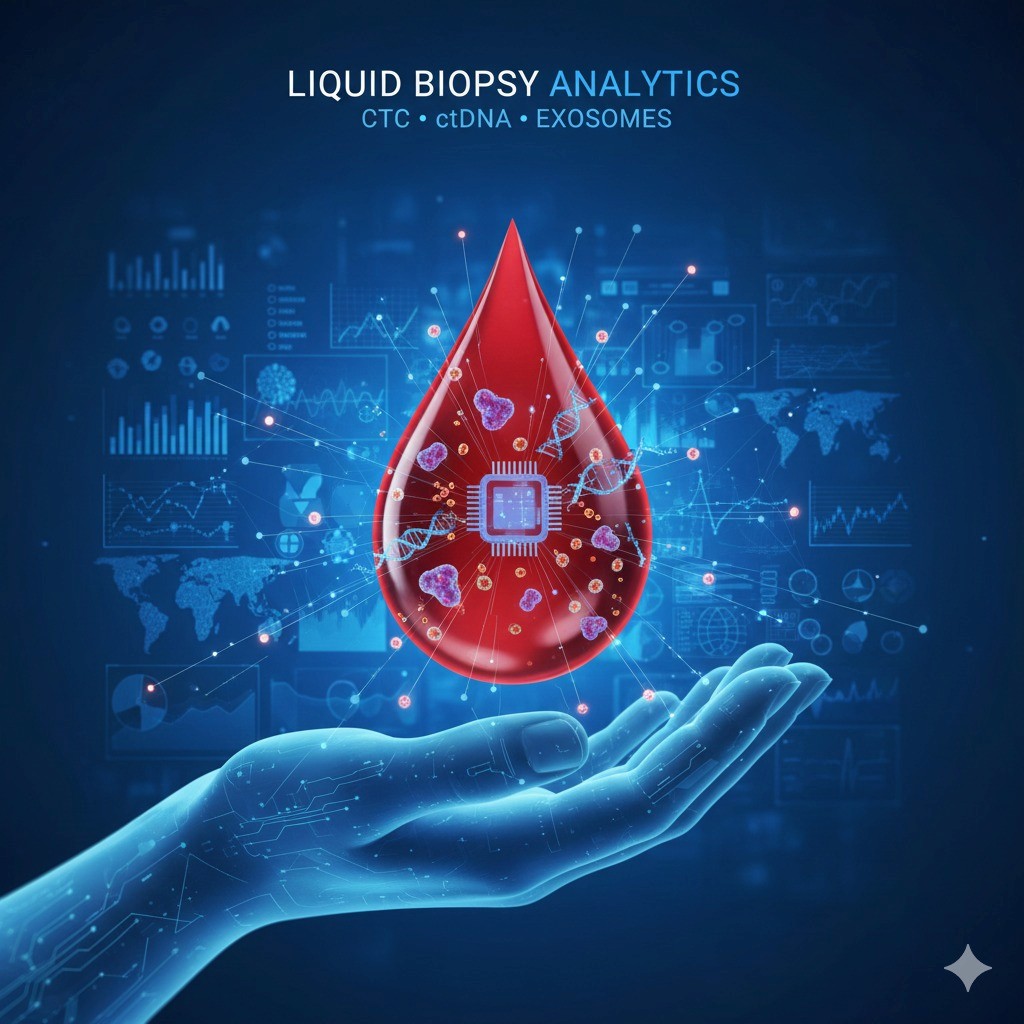
Liquid biopsy technologies — including CTCs, ctDNA, and exosome-based assays — offer a powerful alternative and complement to traditional tissue biopsies. By capturing tumor-derived material directly from blood or other body fluids, liquid biopsy delivers unparalleled insights into tumor biology while minimizing procedural burden on patients.
Minimally Invasive and Repeatable
Liquid biopsy enables frequent, safe sampling without the risks associated with surgical or needle-based tissue biopsies. This allows clinicians to monitor disease dynamics, therapeutic response, and emerging resistance with high temporal resolution — essential for adaptive treatment strategies.
Real-Time Insight Into Tumor Evolution
As tumors evolve under therapeutic pressure, liquid biopsy captures emerging clones and resistance mutations far earlier than imaging or clinical symptoms. This real-time visibility supports the timely optimization of treatment regimens and improves overall management of advanced disease.
Comprehensive Representation of Tumor Heterogeneity
Traditional biopsies sample a single anatomical site, often missing key subclones driving metastasis or resistance. Liquid biopsy, by sampling material shed from multiple tumor sites, provides a more integrated overview of both intratumoral and intermetastatic heterogeneity.
Early Detection of Minimal Residual Disease (MRD) and Relapse
Highly sensitive ctDNA assays enable detection of minimal residual disease after surgery or systemic therapy, offering a critical window for early intervention. Rising ctDNA levels can predict relapse months before radiologic progression, improving patient outcomes through earlier therapeutic action.
A Versatile Multi-Analyte Platform
Different analytes provide complementary insights: CTCs reveal phenotypic, morphologic, and single-cell genomic information linked to metastatic potential, ctDNA captures the mutational spectrum and clonal structure of tumors with exceptional sensitivity, and exosomes provide rich cargo profiles reflecting tumor–stroma interactions, immune modulation, and transcriptomic states.
Accelerating Clinical Trial Design and Drug Development
Liquid biopsy supports: biomarker-driven patient stratification, early pharmacodynamic readouts, detection of resistance pathways, and real-time assessment of therapeutic efficacy. This accelerates decision-making in clinical trials and improves selection of patients most likely to benefit from novel treatments.
ADDED VALUE
Pipeline Overview
DCAN Biosciences technologies isolate and analyze circulating tumor cells (CTCs) and exosomes—key drivers of metastasis—in order to deliver insights that go beyond conventional methods. Our work is backed by a strong foundation of peer-reviewed scientific publications and has showcased clear advantages in cancer detection, disease monitoring, and patient management.

Cancer Screening
Test for cancer or abnormal cells in people without symptoms to detect it early.
Early Detection
Non-invasively identify tumors at earlier, more treatable stages, and for cheaper.
Genetic Profiling
Identify tumor mutations and therapeutic targets, guiding precision medicine.
Treatment Response
Evaluate how well a therapy is working in real time.
MRD Monitoring
Detect small amounts of cancer that remain after treatment.
SERVICES
What We Offer
Circulating Tumor Cell (CTC) Analysis
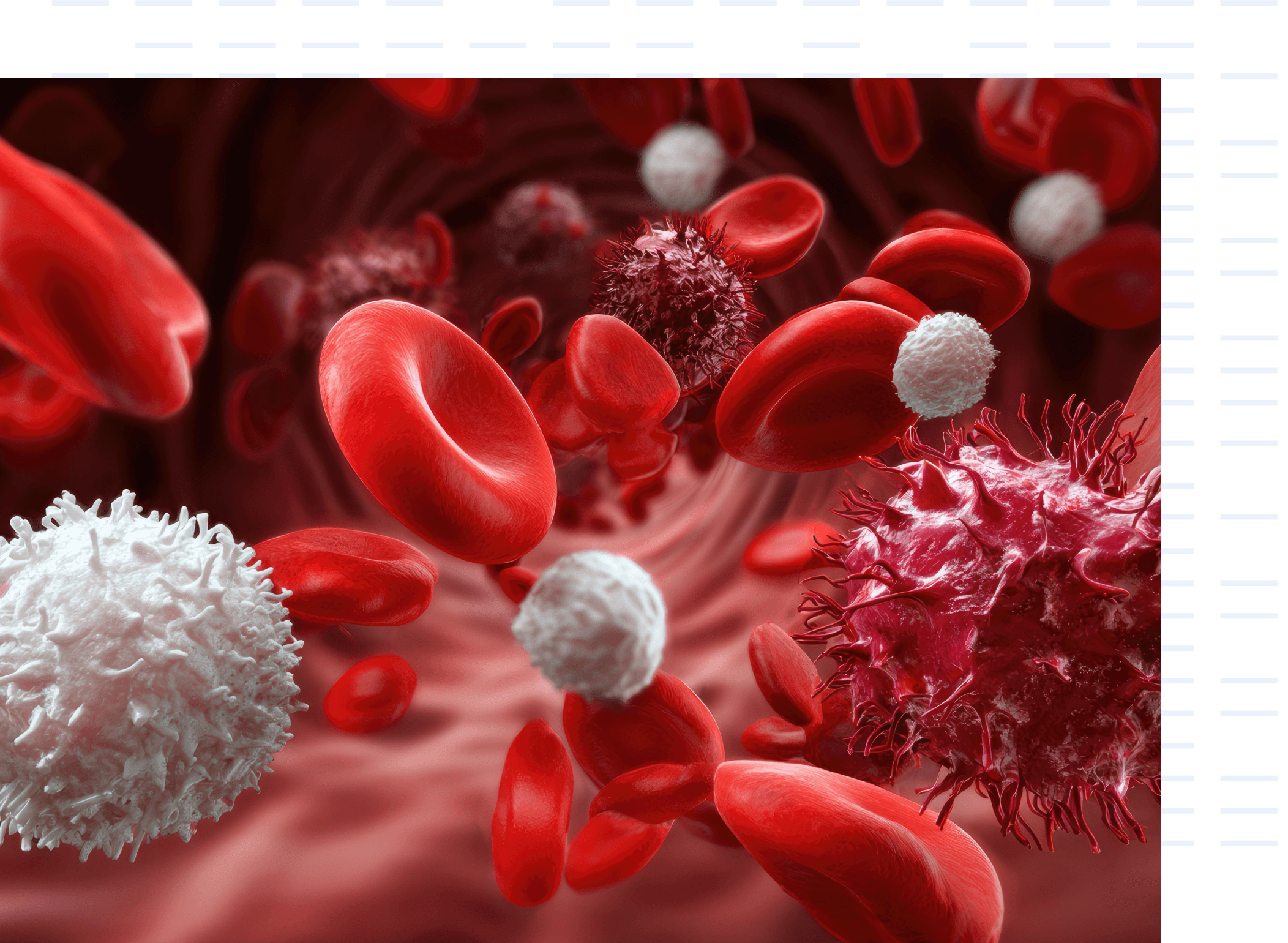
We provide high-sensitivity CTC isolation combined with single-cell phenotypic and genomic profiling to identify metastatic competence and treatment-resistant phenotypes. This service enables real-time monitoring of disease progression and supports biomarker-driven therapy selection.
Circulating Tumor DNA (ctDNA) Sequencing
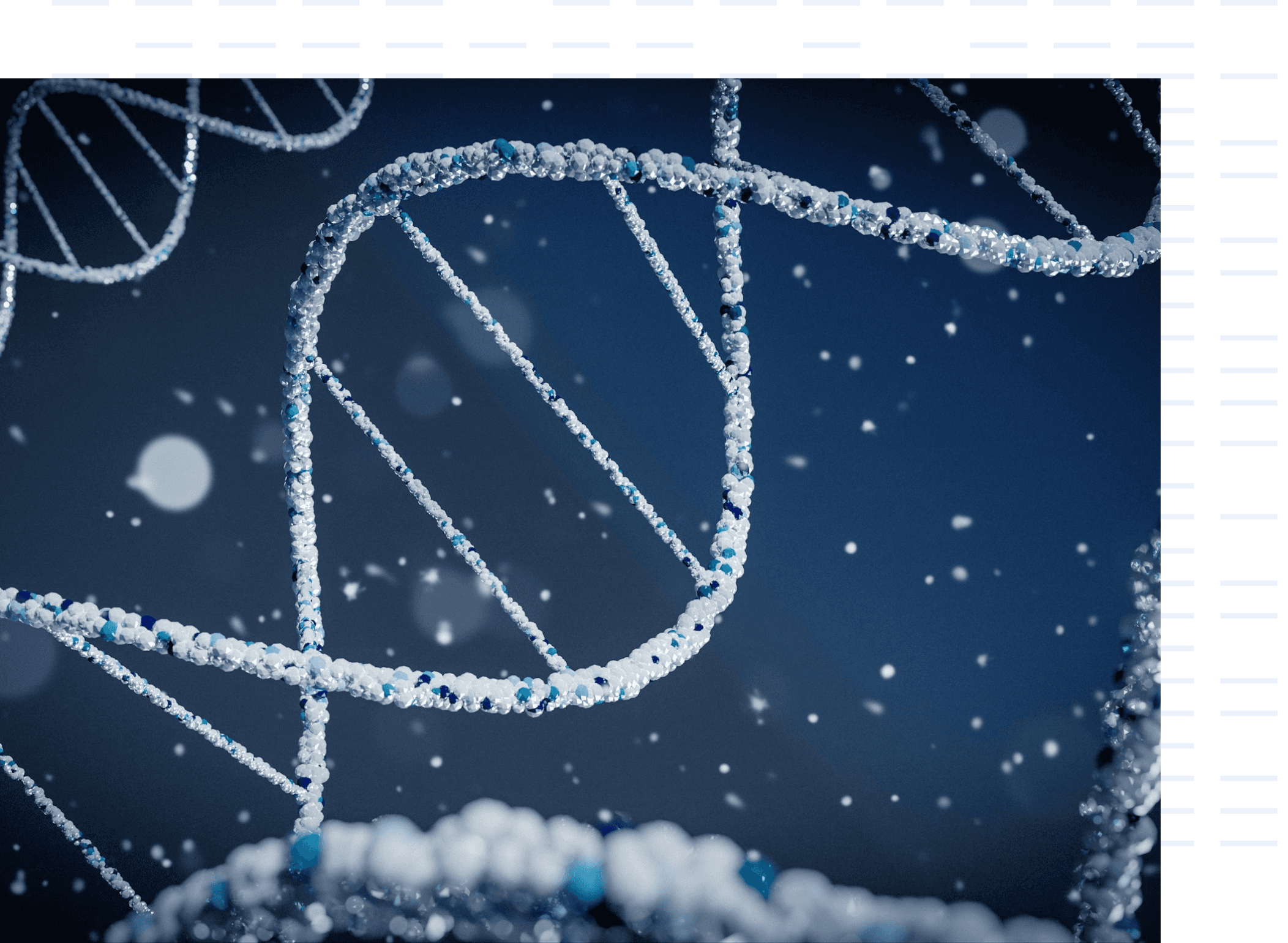
Our ctDNA assays utilize ultra-deep, error-corrected sequencing to detect low-frequency mutations and map clonal evolution with high precision. Clinicians gain actionable genomic insights for monitoring treatment response, identifying emergent resistance, and guiding targeted therapies.
Exosome and Extracellular Vesicle Profiling
We isolate tumor-derived exosomes and characterize their nucleic acid and protein cargo to uncover signaling pathways and tumor–immune interactions. This analysis provides complementary biomarkers for early detection, therapeutic monitoring, and microenvironmental assessment.
Minimal Residue Disease (MRD) Detection
Our MRD platform delivers high-sensitivity detection of residual cancer cells using ctDNA and multi-analyte signatures, identifying relapse months before radiologic evidence. This early-warning capability supports timely therapeutic intervention and reduces the risk of overtreatment or delayed treatment modification.
Personalized Cancer Medicine
We integrate multi-omics liquid biopsy data—including CTCs, ctDNA, and exosomes—to develop individualized molecular profiles for each patient. These insights guide optimized therapy selection, predict treatment responsiveness, and support precision oncology decision-making across the entire clinical journey.

Integrated Multi-Analyte Liquid Biopsy Reporting
By combining CTC, ctDNA, and exosomal multi-omics with advanced bioinformatics, we deliver a unified molecular snapshot that surpasses single-analyte approaches. Our integrated reports support evidence-based clinical decisions, clinical trial matching, and comprehensive tumor evolution tracking.
Our Team
Our team includes world renowned experts in liquid biopsy and cancer metastasis, all passionate about transforming care for patients with cancer.

Ehsan S. Yazdi, Ph.D., M.P.H
Co-Founder, President

Massimo Cristofanilli, M.D.
Co-Founder, & Clinical Advisor

Jean-Paul Thiery, Ph.D.
Chief Scientist



INTERESTED IN LEARNING MORE?
Contact Us
Ask us what you are curious about and we’ll get back to you shortly.